How to Choose a Ceiling Fan for Each Room

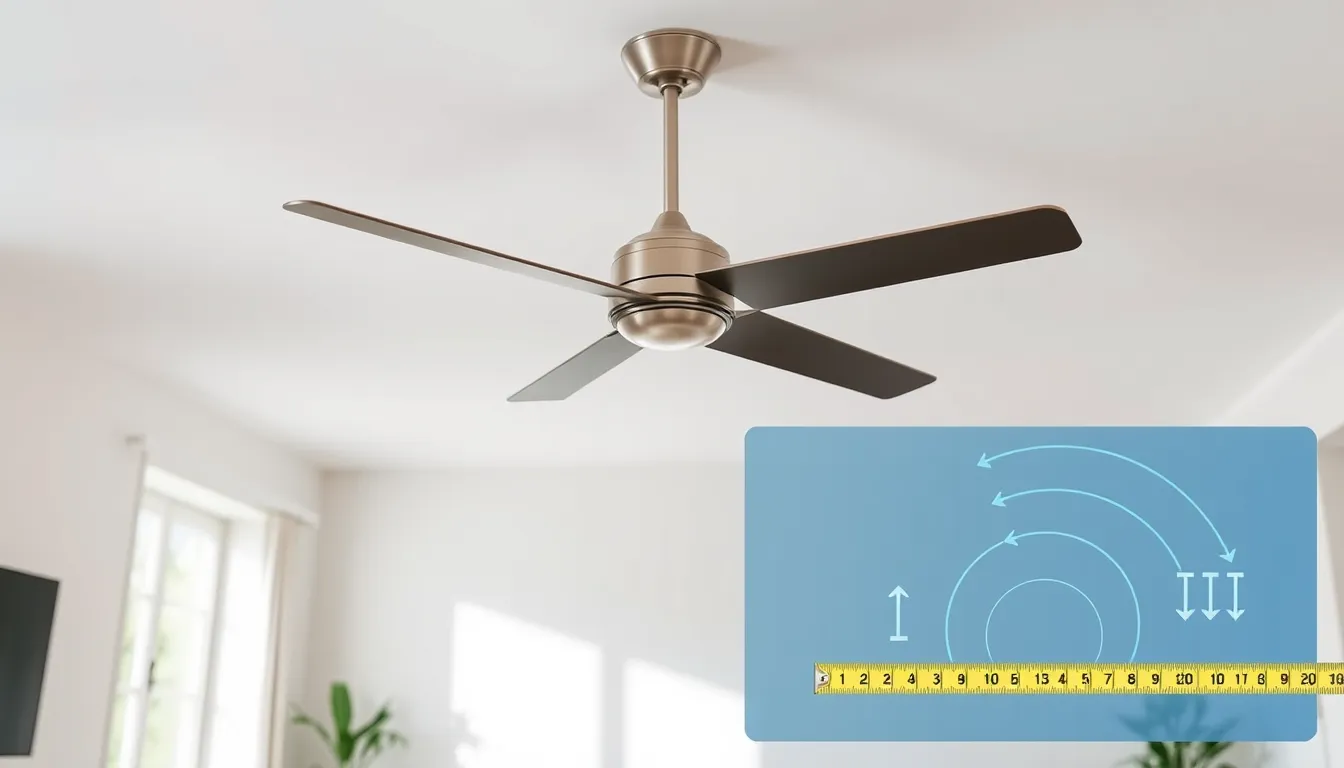
Choosing the right ceiling fan depends on more than just looks. This guide focuses on functional requirements like airflow, noise levels, and motor efficiency to help you match each fan to its specific environment. You will learn how to evaluate blade span, CFM ratings, and motor types without getting lost in marketing jargon.
We break down selection criteria by room type, addressing unique constraints such as humidity in bathrooms or heat in kitchens. Instead of following trends, you will get practical advice on sizing and placement for optimal comfort. By understanding these core specifications, you can ensure your investment delivers real performance and energy savings in every space of your home.
Understanding the Core Specifications: Size, Power, and Noise
Before matching fans to specific rooms, grasp three fundamental metrics: size, power, and noise. Blade span, or the diameter from tip to tip, dictates airflow capacity. A mismatched span leads to poor circulation or excessive turbulence. Ensure the fan size aligns with the square footage of the space to maintain consistent wind speed without creating drafts.
Motor type determines efficiency and sound levels. Traditional AC motors are common but consume more energy and generate more vibration. DC motors offer superior energy efficiency and operate with significantly less noise, though they typically carry a higher upfront cost. For spaces where quiet operation is critical, the DC upgrade is often worth the investment.
Blade pitch, the angle of the blades relative to the floor, affects wind feel. Steeper pitches move more air but create a stronger, sometimes harsher breeze. Shallower pitches provide a gentler, more comfortable airflow. Adjusting this setting allows you to balance cooling power with personal comfort preferences.
Finally, consider ceiling height. Standard installations work for ceilings up to eight feet. Higher ceilings require a downrod to lower the fan into the effective airflow zone. Without proper suspension, the fan sits too high to circulate air efficiently near floor level, rendering it largely ineffective for comfort.
Living Rooms and Open-Plan Spaces: Balancing Aesthetics and Airflow
Living rooms and open-plan areas demand fans that handle significant volume without dominating the visual space. For these high-traffic zones, prioritize a blade span of 52 inches or larger to ensure adequate air circulation across the entire area. Because these rooms serve as primary relaxation spaces, noise levels are critical. Opt for DC motors, which generally operate more quietly than AC motors, especially at lower speeds. A smooth, whisper-quiet hum allows you to maintain airflow without disrupting conversation or media consumption.
If your living room lacks sufficient ambient lighting, a fan with integrated lighting can be functional. However, be mindful of the heat output from light bulbs, which can counteract the cooling effect of the fan. LED options mitigate this issue effectively. In open-plan layouts, a single large fan may struggle to move air efficiently across distinct functional zones. In such cases, consider installing multiple smaller fans or supplementing with dedicated ventilation strategies to address stagnant air pockets. This approach ensures consistent comfort throughout the expansive space rather than relying on a single point of airflow.
Bedrooms: Prioritizing Silence and Sleep Quality
In a bedroom, the quietest fan is the most valuable. Noise can break a sleeper’s rhythm, so choose a unit whose sound level is low enough to blend with the ambient hush of the room.
DC motors are the preferred choice for bedroom fans because they run silently and efficiently. Their brushless design reduces vibration, and they can operate at very low speeds without generating a noticeable hum.
Having a remote control or smart‑home integration lets you adjust speed or mode without getting up. This convenience is especially useful when you wake up or need a gentle breeze after midnight.
Blade spans between 36 in. and 48 in. strike a balance between effective airflow and the limited space of most bedrooms. A 36‑in. fan will circulate air adequately in a 10‑by‑10‑foot room, while a 48‑in. fan suits larger, open bedroom layouts.
Look for a “sleep mode” feature that gradually ramps the fan down or maintains a very low, steady speed. This subtle, continuous airflow keeps the room comfortable without disturbing the sleeper’s rest.
Kitchens and Dining Areas: Managing Heat, Humidity, and Grease
Kitchens present unique challenges due to heat, humidity, and airborne grease. Unlike living areas, the environment here can degrade standard fan components if not properly managed. To protect the internal mechanism, choose a model with a sealed motor. This design prevents grease particles from accumulating on the windings, which can reduce efficiency and cause premature failure over time.
Placement is critical for both performance and safety. Avoid positioning the fan directly above the stove or cooktop. Direct exposure to high temperatures and steam can affect motor longevity and create airflow that pushes smoke into the rest of the house. Instead, install the fan over the dining table or the center of the room. In smaller kitchens, a compact blade span of 30 to 36 inches is often sufficient to circulate air effectively without crowding the space.
It is important to remember that a ceiling fan does not replace a range hood. While the fan improves personal comfort by moving air across your skin, it does not extract smoke, steam, or cooking odors. A dedicated ventilation system remains necessary for air quality control.
Finally, consider the finish. Matte or semi-gloss paints are easier to wipe down than textured surfaces, making routine maintenance of the blades and housing significantly simpler and faster.
Bathrooms and Small Enclosed Spaces: Humidity and Ventilation
Moisture is the primary challenge in bathrooms and small enclosed areas. Standard ceiling fans are not suitable for these environments unless they carry a specific damp or wet location rating. Using a non-rated fan in an area exposed to direct water spray poses a significant electrical safety hazard and can void warranties. Always verify the rating label before installation.
In tight spaces, select fans with a blade span between 24 and 36 inches to prevent obstruction and ensure safe clearance from walls and fixtures. Look for models with higher CFM ratings to effectively circulate humid air, reducing the likelihood of mold and mildew buildup on surfaces.
However, a ceiling fan alone does not solve ventilation needs. It moves air but does not extract it. You must pair the fan with a dedicated exhaust fan to remove moisture-laden air from the room entirely. This combination ensures that humidity levels drop efficiently after showers or baths. Prioritize quiet operation, as small rooms amplify noise, and choose finishes that resist corrosion to withstand the persistent humidity.
Porch, Patio, and Outdoor Areas: Weather Resistance and Durability
Outdoor spaces present unique challenges due to exposure to the elements. The primary distinction lies in coverage. For fully exposed patios or open-air porches, you must install a fan with a "wet" rating. These units are sealed against rain and snow, preventing water from entering the motor housing. For covered areas where rain is shielded by a roof but humidity remains high, a "damp" rated fan is sufficient and often more affordable.
Material selection is critical for longevity. Wood blades warp, crack, or rot when exposed to moisture and temperature fluctuations. Instead, choose aluminum or composite blades, which resist degradation and maintain structural integrity over time. Because outdoor areas are typically larger than indoor rooms, look for models with wider blade spans to ensure adequate airflow coverage across the entire space.
Lighting is also a common feature in these settings. If you select a fan with an integrated light kit, opt for LED bulbs. They consume less energy and last significantly longer than traditional incandescent bulbs, reducing maintenance frequency. Additionally, verify that the fan’s CFM output matches the size of your outdoor area to avoid underperformance. Finally, ensure the fan is mounted securely to withstand wind, which can exert significant force on larger blades during operation.
